Vented Cladding
Why Vented Cladding?
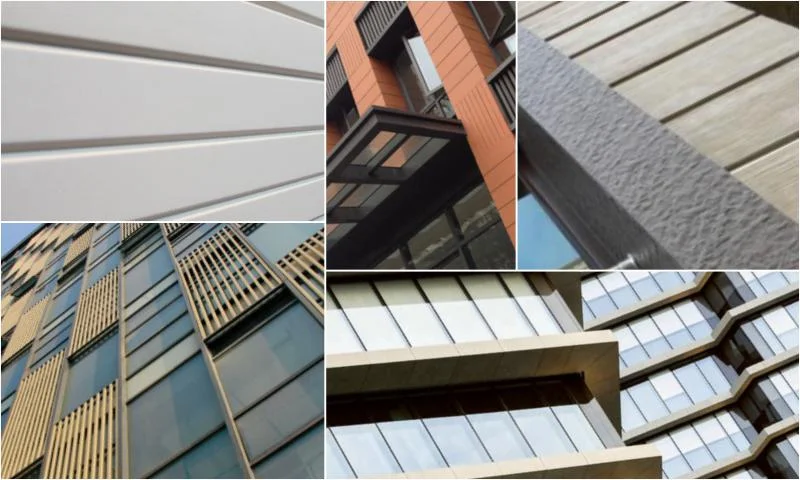
Vented Cladding facade technologies are currently the most preferred coating method in buildings due to their airtight properties. Vented facades, named after the ventilation layer between the decorative coating and the external decorative cladding, allow for the dissipation of water vapor generated in buildings through diffusion. This technique, which is resistant to the harshest weather conditions and moisture, can provide up to 100% savings in heat and fuel for buildings. With maximum adhesion strength and water-resistant structure, vented cladding systems challenge all weather conditions, summer and winter, while also supporting structural flexibility.
Advantages Provided by Vented Facades
Did you know that vented cladding technology provides approximately 30-40% savings in buildings? Heat losses originating from the facade due to seasons in buildings are generally caused by external facade problems. Hot air easily seeps through gaps and cracks, constantly escaping outside instead of remaining trapped in homes and interiors. Moreover, the water vapor formed inside spaces continuously widens these cracks and fissures because the humidity balance in buildings cannot be maintained. This, in turn, means continuously rising bills. However, when you choose vented facade systems, you will never experience such leaks and will not have to pay hefty bills.
1 - It ensures efficient heat accumulation.
2 - You will not experience sudden hot or cold drafts and will not be affected by air changes.
3 - Condensation formation in spaces is prevented as it allows for easy moisture passage.
4 - The fire resistance of structures increases.
5 - Noise problems cease to exist.