The History and Architectural Features of the Galata Tower

The Galata Tower, one of Istanbul's historical landmarks, is a magnificent structure that dominates the city's skyline. Built in the Middle Ages for defensive purposes, the tower has served various functions throughout different periods of the city's history. Generally a four-story cylinder, the tower was known as Megalos Pyrgos during the Byzantine Empire. Today, it is popular as an observation tower offering visitors a magnificent panoramic view of Istanbul.
Cultural and Tourist Importance of the Galata Tower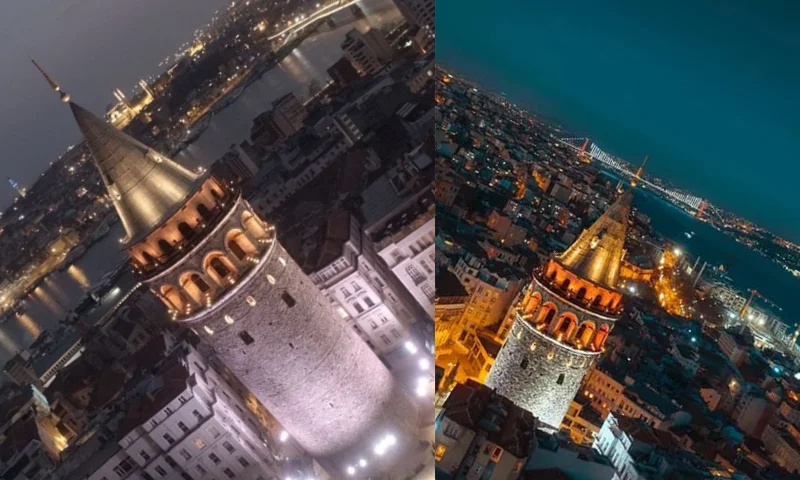
The Galata Tower holds great value not only for its historical and architectural significance but also for its cultural and tourist appeal. The tower is considered part of Istanbul's rich cultural heritage and attracts local and foreign tourists every year. Visitors immerse themselves in history while strolling through the historic streets surrounding the tower and are amazed by the spectacular view from the top. Additionally, the area around the Galata Tower is filled with various venues such as art galleries, cafes, and boutique shops, making the district one of the city's vibrant cultural centers.
The Story and Meaning of the Galata Tower
The story of the Galata Tower holds an important place in Istanbul's rich past. The tower was first built by the Genoese in 1348 and was later used during the Ottoman Empire period. This historic structure has survived to the present day despite challenging conditions such as earthquakes, fires, and wars. Although used for different purposes over time, the Galata Tower has become a symbol of Istanbul and has hosted many cultural events. For visitors, the Galata Tower is not just a tower but also a time machine, representing the point where the past and the present converge. Under these headings, a comprehensive overview of the history, cultural importance, and story of the Galata Tower has been presented.