When Was Television Invented?
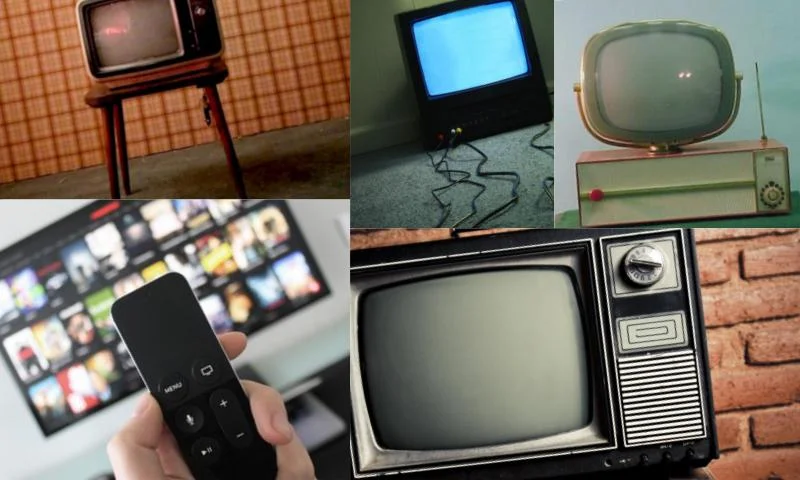
Once upon a time, radio dramas, news, and songs, which people could only listen to, transformed into guests in people's homes with the advancement of technology. Today, television is one of the most common means of communication and entertainment. In fact, society's view of television has been the subject of many films. While television, which was scarce in its early years, brought people together in the evenings, it is now almost impossible to imagine a home without a television. Although this situation reduces communication within the family and society, television offers the greatest conveniences provided by technology. The invention and development of television, which is also an important topic for general knowledge, are highly curious.
Invention of Television
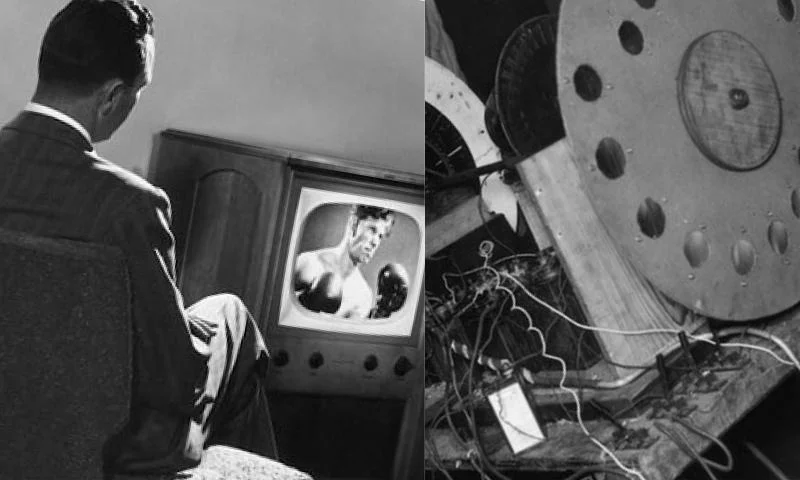
In history, the scientist named Carey first discovered how the image of any object could be captured with the element selenium. Following this, the first experiment was conducted in 1926 by an inventor named John Logie Baird, and thus, the first television in history emerged. He also named the device he invented "televisor" for the first time.
Development of Television
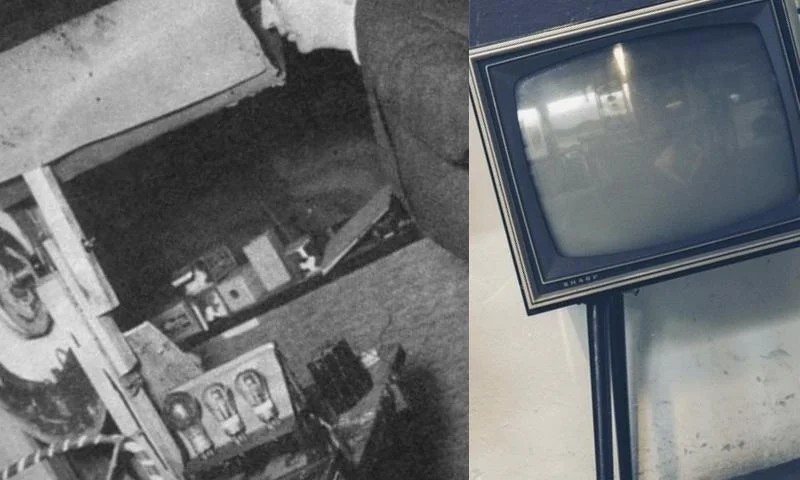
After the invention of television, an American scientist named Charles Francis Jenkins discovered wireless picture transmission and patented it. Thus, the first company was established in America to broadcast television. Initially, the company only broadcast regionally, but over time, with support, it began to spread to different countries. Philo Taylor Farnsworth, who found the structure of television too mechanical at the time, managed to transform this structure into an electromagnetic system. This also reduced the cost of manufacturing televisions. This system, called Image Dissector, took the first steps towards cathode ray tube (CRT) televisions. After the development of CRT televisions, the biggest remaining drawback was that the images were only black and white. Later, systems were developed for this as well, and color televisions with RGB on them began to be produced. After RGB televisions, LCD (Liquid Crystal Display) televisions, whose systems were almost the same but whose screens were designed with higher quality, were produced. These televisions, which provided electricity savings, allowed for much higher quality images. As we approach the present day in the development of television, the changing features have generally been aimed at increasing image quality. Plasma televisions that provide smooth images, LED televisions that save energy and increase contrast, HD televisions that bring cinema quality to homes, and finally, 3D televisions that allow the experience of movies have been produced.
Television in Turkey
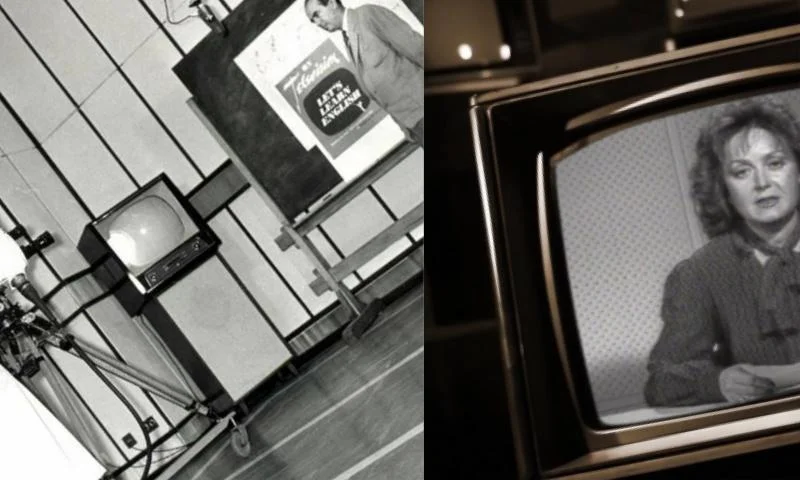
In Turkey, television first arrived at Istanbul Technical University, and its broadcasting began in 1952. İTÜ TV broadcast to the people of Istanbul for 20 years. Then, in 1964, the biggest development for television in Turkey, TRT, i.e., the Turkish Radio Television Corporation, was established. For the development of this new institution for the country, assistance was received from abroad. Many employees were sent to gain knowledge in the field of television, and the necessary equipment for the establishment was brought to Turkey from Germany. In those years, when there were not many diverse channels like today, broadcast hours were also very limited. The duration of test broadcasts, which were carried out 3 days a week for 3 hours a day, was increased over time and took its current form.