
What is a Silo?
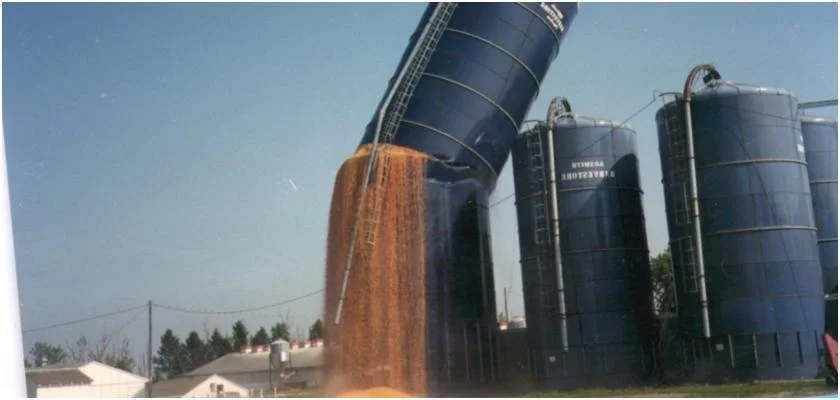
A silo is a structure used for the protection, storage, and warehousing of bulk products and materials, and it is also constructed according to the size and needs of businesses. Thanks to grain silos, many grains and food products are stored by fermenting them. Fermenting products allows grains to be stored for a long time without spoiling. Silo systems are built according to special methods and consist of high cylindrical structures. Steel silos, which are always important for storing legumes such as corn and wheat, generally ensure that thousands of tons of products in narrow spaces are preserved without spoiling for a long time. In steel silos, products can be stored for a year as if they were freshly harvested from the field. Generally, about 6 thousand tons of product can be easily stored in a silo of 300-350 square meters, preventing the products from going stale and containing carcinogenic substances.
How Are Grains Loaded into Silos?
Grains to be placed in silos are elevated to the top by either a suction or conveyor system, and products are loaded into the silo from here. Grain silo products have graduated lids, and there are many lids from top to bottom. Unloading is done starting from the topmost lids, and the greatest benefit of silos is that they ensure proper aeration of grains and maintain their acid balance. However, if the grains in the silos contain sufficient lactic acid and fermentable carbohydrates, no other type of spoilage or fermentation will occur. Since acidification is beneficial in protecting grains stored in silos, acid is added to the silos when necessary, depending on the nature of the materials.
What Are the Uses of Silos?
Today, materials used in many different industrial areas such as cement, mining, calcite, petrochemical materials, pills, capsules, medical supplies, perfumery chemicals, coal, ash, carbon black, ceramic powder, etc., are suitable for pneumatic conveying and transport systems. At the same time, grain silos also provide pneumatic transport for food products in powder form such as flour, bran, coffee, milk powder, spices, salt, starch, etc., for food uses. Furthermore, barley and wheat used in agriculture, especially corn cultivation in our country, contribute significantly to animal protein production.