
The Importance and Application of MRI Scans
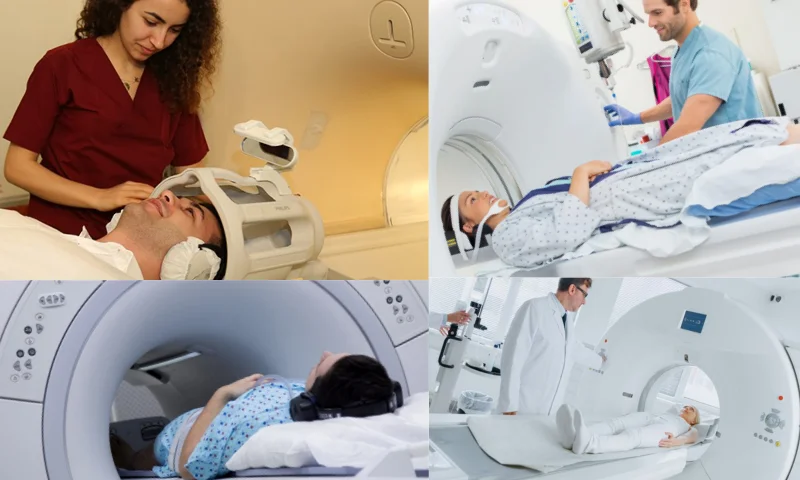
Magnetic resonance imaging (MRI) is a non-invasive imaging technique used as an important diagnostic tool in modern medicine. MRI is used to visualize the internal structure of the body in detail and to diagnose diseases. For information on this subject and to ask questions you are curious about, you can look at the relevant online companies on the internet pages and examine them in detail from here.
The Importance of MRI Scans
MRI scans play a critical role in the diagnosis of many diseases and in treatment planning. This imaging method allows for detailed visualization of tissues and helps detect structural or functional abnormalities. MRI is used in many body regions such as the brain, spine, joints, liver, kidneys, and heart. MRI scans are an important tool in the diagnosis of many diseases or conditions such as cancer, brain damage, spinal problems, and rheumatoid arthritis. In addition, MRI can also be used to evaluate organ functions and to identify conditions requiring surgical intervention.
Application of MRI Scans
- Preparation: Before an MRI scan, patients usually need to remove metal objects (jewelry, watches, etc.) as they can interact with the magnetic field. Also, it is important for patients with allergies to the contrast agent used to report it.
- Scanning Process: Patients lie on a table inside a long tunnel, and images are taken while the MRI machine operates motionlessly. The scanning process can be noisy and may take some time. Sedation or relaxation techniques may be used if necessary to keep patients comfortable.
- Contrast Agent: In some cases, a contrast agent is used to visualize tissues more clearly. The contrast agent can be administered intravenously or orally and allows it to focus on a specific area. The use of contrast agents should be discussed with the doctor beforehand. Although MRI scanning is generally a safe procedure, there can be risks and side effects in some situations.