Limb Lengthening Surgery
Bone Healing Phase in Limb Lengthening Surgery
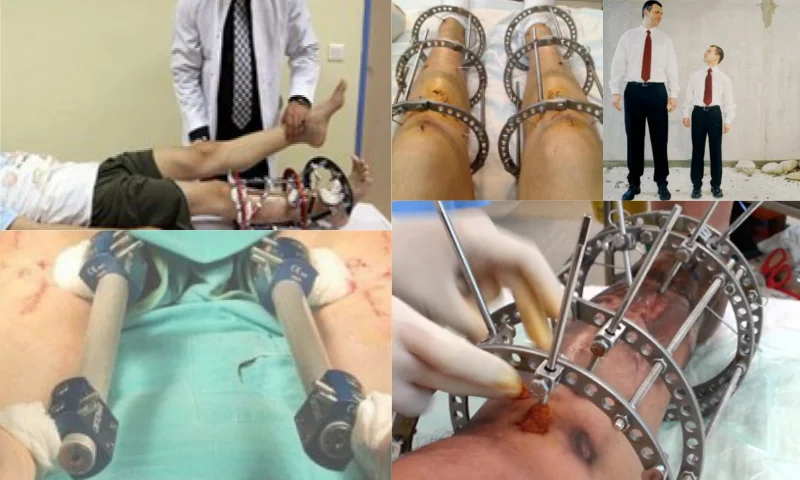
In medical tibia limb lengthening surgery, the fibula must also be lengthened simultaneously. The lengthening devices implanted here are attached only to the tibia as they only lengthen the tibia. Thus, both bones are lengthened at the same time. At this stage, the end of the fibula bone needs to be properly attached to the tibia. The technical success here is related to the surgeon's competence rather than the devices. After the observation or when bone lengthening is completed, the “callus” process usually begins between the bone gaps to strengthen and calcify bone growth. This provides weight-bearing capacity and significantly eliminates the risk of complications, while increasing the patient's mobility and functional ability. Callus ossification into new bone is encouraged for faster healing. In bone healing; the patient's age and the bone segment operated on are important.
Limb Lengthening Surgery and Physiotherapy
Physiotherapy plays an important role in any limb lengthening surgery. Physiotherapy is greatly encouraged during the bone healing or consolidation phase as it allows adaptation in muscle lengthening and new limb growth. In this stage, physiotherapy is one of the exercises recommended daily and should be incorporated into the daily routine. In addition to physiotherapy, patients are generally advised to have a diet rich in calcium, such as leafy greens, fish, milk, and milk-based products. At this point, in addition to calcium supplements, sunbathing that will increase blood circulation and bone growth is recommended to patients to accelerate bone growth. Again, they are advised to put weight on their legs.