
Blood Donation: The Easy Way to Save a Life

Blood donation is a method of mutual aid made to support people in hospitals who need blood and to save lives in emergencies. Regular blood donation ensures that blood banks continuously have sufficient blood stock. The importance of blood donation, its benefits, and what needs to be known about the donation process will be discussed in this article. Blood donation is a vital necessity that supports the overall health of society, not just individuals. Especially in situations such as accidents, injuries, surgeries, and childbirth, there is an urgent need for blood. Individuals living with blood diseases such as leukemia and thalassemia require regular blood and platelet support. Furthermore, it is important to donate continuously so that blood stocks do not remain insufficient in crises such as natural disasters or emergencies. Thanks to blood donations, many patients can regain their health or have a chance to survive. Therefore, donating blood is one of the most concrete examples of social solidarity and mutual aid. For information on this subject and to ask your questions, you can look at the relevant online firms on the internet pages and examine them in detail from here.
Health Benefits of Blood Donation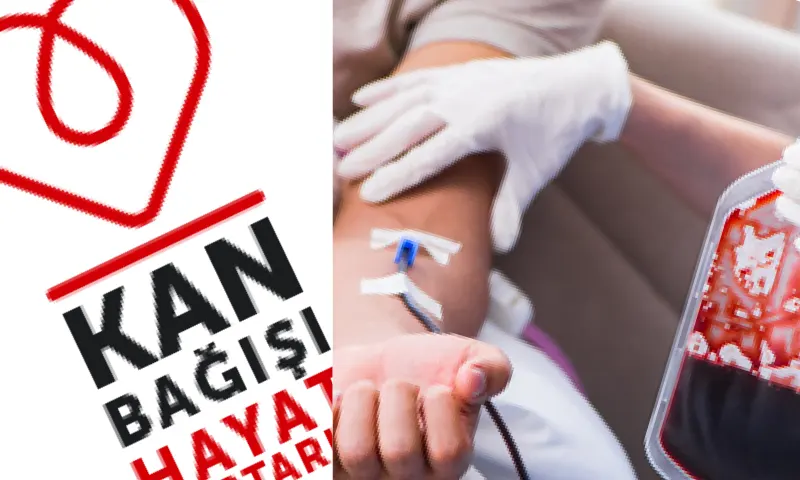
Donating blood also provides some health advantages for the donor. Regular blood donation stimulates the body's blood production mechanism and helps produce renewed blood cells. Additionally, tests performed after donation allow the individual to check their blood values. Screenings performed during donation can help detect infectious diseases early. Blood donation also reduces health risks that may arise from excess iron by allowing excess iron to be removed from the body. Some studies suggest that regular blood donation positively contributes to heart health and supports the circulatory system.
Blood Donation Process and What to Consider
There are some points to consider before and after donating blood. First of all, it is important to eat well, drink plenty of water, and get enough sleep before donation. For blood donation, the general health condition must be good, and the person donating must not have consumed alcohol in the last 24 hours. The blood donation process takes approximately 10-15 minutes and is carried out under the supervision of experts. After donation, it is important to allow the body time to rest, increase fluid intake, and avoid strenuous physical activities. If weakness is felt after blood donation, a doctor's consultation is recommended. Blood donation is an important step that contributes to the health of both individuals and society. Regular blood donations save many lives by supporting those in need of blood and strengthen social solidarity. Therefore, blood donation is a responsibility that every individual should participate in as much as their health allows.