What Factors Should Be Considered When Setting Up an Electroplating Plant?
How Should an Electroplating Plant Manage Waste?
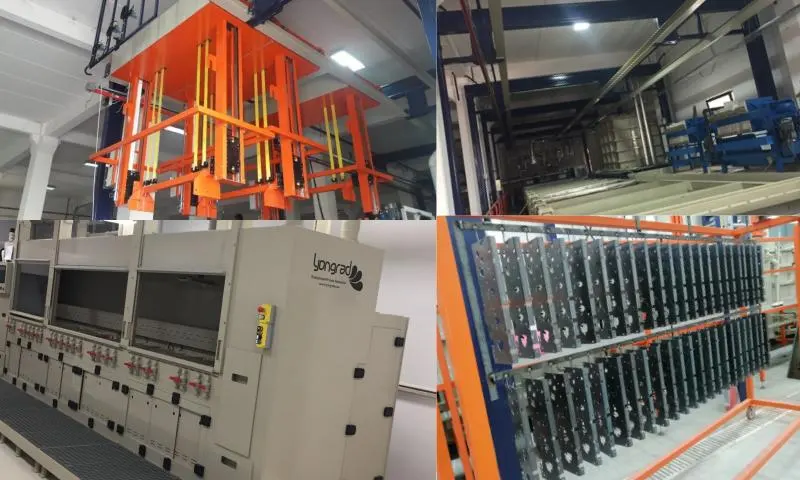
Setting up an electroplating plant is a process that requires serious engineering and planning. First, it must be determined which metal coatings will be applied. Different metals such as zinc, nickel, chromium, and copper require different bath chemicals and processes. Then, criteria such as the size of the plant, its capacity, and the characteristics of the product to be processed must be planned. The plant's layout is also very important. The safety of chemical storage areas, operator access, ventilation, and wastewater management must be carefully designed. Furthermore, compliance with environmental regulations and sustainable production goals should be taken into account. When establishing an electroplating plant, not only cost but also efficiency, long-term operating expenses, and the level of automation should be considered. For detailed information about electroplating plants, you can review the web address https://yongrad.com/electroplating-technologies/electroplating/.
What Should Be the Appropriate Ventilation for an Electroplating Plant?
Waste management in an electroplating plant is of vital importance for protecting the environment and human health. The waste generated in such facilities contains heavy metals, acidic and alkaline liquids, and toxic chemicals, and should not be released into nature uncontrollably. Liquid waste from the production process should be neutralized and passed through treatment systems. The recovery of heavy metals provides benefits both economically and environmentally. Solid waste should be classified in accordance with hazardous waste regulations and delivered to licensed disposal companies. Personnel must be trained in waste management, and regular inspections should be conducted. An appropriate ventilation system for an electroplating plant is crucial for employee health and safety. Vapors, acidic gases, and toxic particles that arise during the process can cause serious health problems through inhalation. Therefore, the ventilation system must ensure the rapid and effective removal of chemical vapors from the work area. Local exhaust systems should be located above each tank. These systems ensure that hazardous gases are directly absorbed before they spread into the environment.