
The Basic Benefits of Violin Education

Violin education is a special art form that supports mental and emotional development for both children and adults. The education of this instrument improves hand-eye coordination, increases focus, and instills disciplined work habits. It is also very effective in gaining knowledge of music theory and developing a sense of rhythm. Individuals who receive violin education gain the ability to perform both individually and in a group, thereby increasing their self-confidence. For information on this subject and to ask your questions, you can look at the relevant online firms on internet pages and examine them in detail from here.
At What Age Should Violin Education Begin?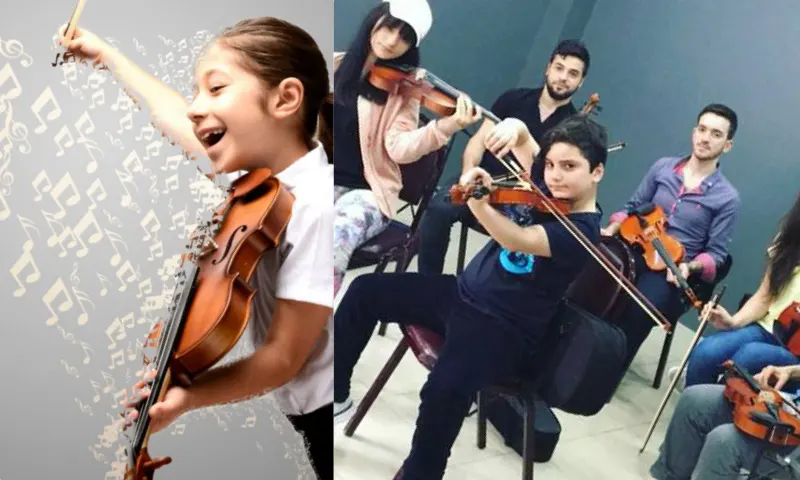
The ideal starting age for violin education is generally between 5-7 years old. This age range is a period when a child's motor skills are developed and they can grasp the instrument correctly. However, violin education is not limited to children; adults can also start this instrument and incorporate music into their lives. As age increases, the learning process may take a little longer, but it is possible to play the violin at any age with regular practice and proper guidance. The important thing is to exhibit a patient and determined approach.
What to Pay Attention to While Receiving Violin Education?
Choosing the right instructor is very important during the violin education process. The instructor should plan lessons with methods suitable for the student and be able to instill a love for music. Furthermore, selecting a quality violin and bow strengthens the student's bond with the instrument. Regular repetitions, technical exercises, and applications through various repertoire pieces should be made during the education process. The student's development should be reinforced not only during the lesson but also with studies done at home. Violin education, which is a patient process, turns into great pleasure over time.