
How to Perform Analysis with Structural BIM Software?
How to Perform Construction Management with Structural BIM Software?
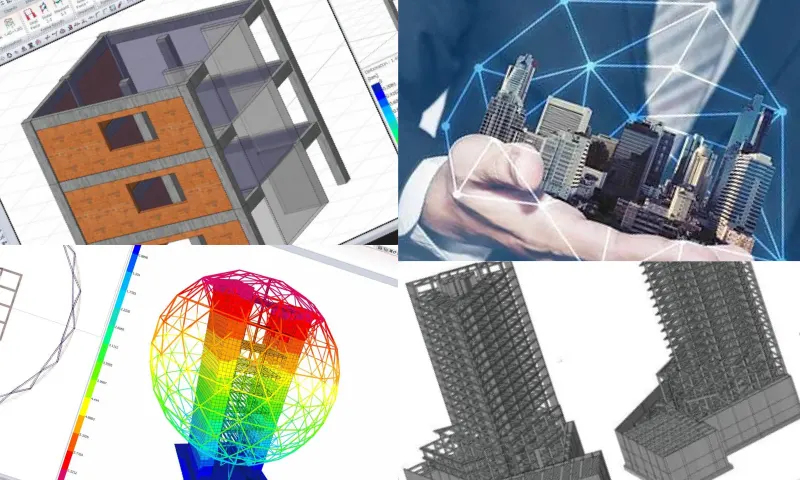
Structural BIM software offers comprehensive tools for analyzing structures. The analysis process begins with creating a dimensional model. This model includes the geometric and material properties of the structural elements. Then, engineering parameters such as loads and support conditions are added to the model. Structural BIM software can perform static and dynamic analyses with this data. Static analyses evaluate the effects of constant loads on the structure, while dynamic analyses examine the impact of variable loads such as wind and earthquakes on the structure. For more information on structural BIM software, you can visit the website https://idecad.com.tr/architecture-engineering-construction/building-design/bim-workflows-structural-analysis-design/.
How to Ensure Project Coordination Using Structural BIM Software?
Structural BIM software is an effective tool in construction management. The construction management process includes project planning, resource management, and schedule creation. BIM software facilitates management by integrating all these processes. Project plans and drawings are created on the software, ensuring that the entire team has access to the same information. Material requirements, time schedules, and cost estimates are calculated automatically. Changes made during construction are instantly reflected in the model, and updated information is shared with everyone. This ensures a seamless workflow and minimizes potential delays. Structural BIM software facilitates and optimizes project coordination. The collaboration tools offered by the software allow all stakeholders, such as architects, engineers, and contractors, to work on the same platform. Project data is stored in a cloud-based system, enabling different disciplines to access up-to-date information at all times. The clash detection feature checks the compatibility of different structural components with each other, detecting design errors and potential problems during construction in advance. Regular model updates and coordination meetings ensure that all team members have the most current information about the project.