
What is Rhinoplasty?

Rhinoplasty, medically known as rhinoplasty, is a surgical procedure performed to change the shape and size of the nose, achieve a more aesthetically pleasing appearance, or correct breathing problems. This procedure may involve altering the nasal hump, tip, nostrils, or overall structure of the nose. Rhinoplasty performed for aesthetic concerns makes the nose more harmonious with the face, while functional rhinoplasty corrects breathing problems such as a deviated septum. Rhinoplasty is generally preferred after the completion of adolescence, at ages when bone and cartilage growth has stopped. This operation, widely sought by both men and women, can create a significant change in a person's facial expression. For information on this subject and to ask your questions, you can look at the relevant online companies on the internet pages and examine them in detail.
The Rhinoplasty Process and Stages 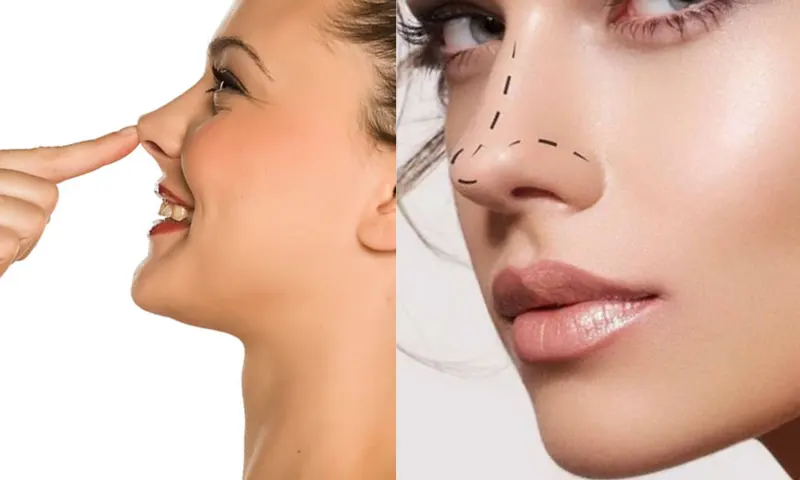
The rhinoplasty process requires detailed planning and careful surgical intervention. First, a detailed consultation is held between the surgeon and the patient. In this consultation, the patient's expectations, desires, and medical history are evaluated. The surgeon examines the structure of the nose and plans the shape that will be most harmonious with the person's facial features. Before the surgery, the patient's general health status is reviewed, and if necessary, some tests are performed. The surgery is usually performed under general anesthesia and can take a few hours. The surgeon chooses one of the open or closed rhinoplasty techniques depending on the nasal structure and the patient's wishes. The recovery process after surgery can take several weeks; during this period, swelling and bruising may be seen on the patient's nose. The full results may take between 6 months and 1 year to appear.
Advantages and Risks of Rhinoplasty
Rhinoplasty is known as an operation that increases self-confidence, in addition to improving a person's facial aesthetics. Harmonizing the nose with the face makes the overall facial expression look more balanced and aesthetically pleasing. Furthermore, breathing problems can also be resolved with rhinoplasty, which improves the person's quality of life. However, like any surgical procedure, rhinoplasty also carries some risks. Infection, bleeding, anesthesia-related complications, or undesirable aesthetic results are problems that can be encountered, albeit rarely. Therefore, it is of great importance for individuals considering rhinoplasty to choose an experienced and expert surgeon. In addition, full compliance with post-operative instructions and regular doctor check-ups positively affect the healing process. Rhinoplasty is a surgical procedure that meets both aesthetic and functional needs, increasing a person's quality of life and self-confidence. Rhinoplasty, performed with proper planning and the guidance of an expert surgeon, ensures that natural and satisfactory results are achieved.