
Can Natural Rubber Be Recycled?
What are the Environmental Impacts of Using Natural Rubber?
Natural Rubber, being a material obtained from nature, is highly suitable for recycling. Rubber scraps generated during the production process can be reprocessed and used in the production of different products. This feature provides a significant advantage in terms of sustainable production policies. When natural rubber is recycled, it is converted back into raw material through methods such as mechanical fragmentation, grinding, or pyrolysis. The recycling process conserves energy without harming the environment, thus reducing the use of natural resources. Recovered rubber can be utilized as a filler or blending material in new products. For detailed information about natural rubber, you can visit the website https://quadrokimya.com/urunlerimiz/tabii-kaucuklar/.
What Factors Affect Natural Rubber Prices?
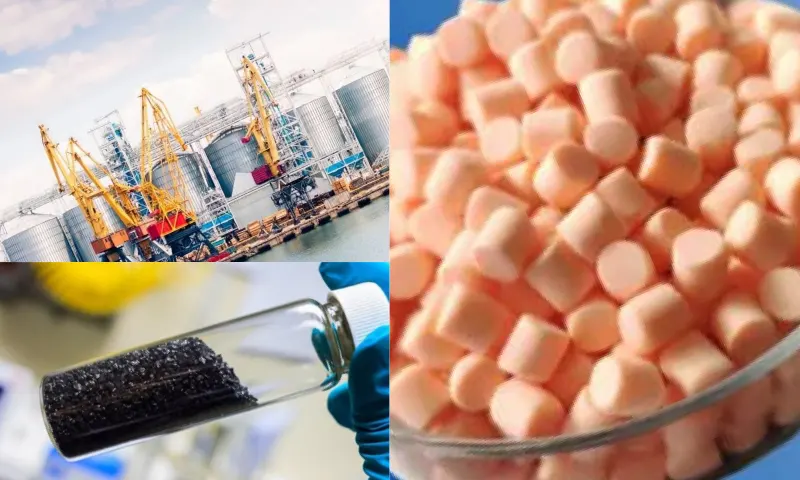
The production and use of natural rubber should be managed carefully considering environmental factors. As it is obtained from natural resources, sustainable agricultural practices are important. Unconscious production can lead to damage to forest areas and disruption of ecosystem balance. Therefore, natural rubber obtained from certified plantations should be preferred. Environmental impacts can be minimized through post-use recycling. Compared to synthetic rubbers, which take a long time to decompose in nature, natural rubber is a more environmentally friendly alternative. Reducing carbon emissions during the production process also supports an eco-friendly production approach. Natural rubber production costs vary according to raw material supply. Climate conditions in tropical regions directly affect the yield of rubber trees. During periods of increased demand, especially the high needs from the automotive and medical sectors, price increases can occur. Exchange rates, energy costs, and transportation fees are also economic factors that affect natural rubber prices. When the recycling rate is high, a decrease in raw material costs can be observed. Quality, processing method, and additives also create price differences. In general, the natural rubber market is closely related to global economic conditions and the balance of supply and demand.